Optimal Weather for Paver Overlay
Paver overlay service is most effective when performed during favorable weather conditions. Optimal temperatures and low humidity levels help ensure proper adhesion and curing of the overlay material. Typically, late spring through early fall offers the best window for installation, avoiding extreme cold or heat that can compromise the process.
Mild temperatures between 60-85°F and low humidity promote optimal curing and adhesion of paver overlays.
Spring and early fall are preferred due to stable weather, reducing the risk of delays caused by rain or temperature fluctuations.
Rain, snow, or extreme heat can interfere with overlay application, leading to subpar results and potential rework.
Applying overlays during suitable weather extends the lifespan of the surface, minimizing future repairs.
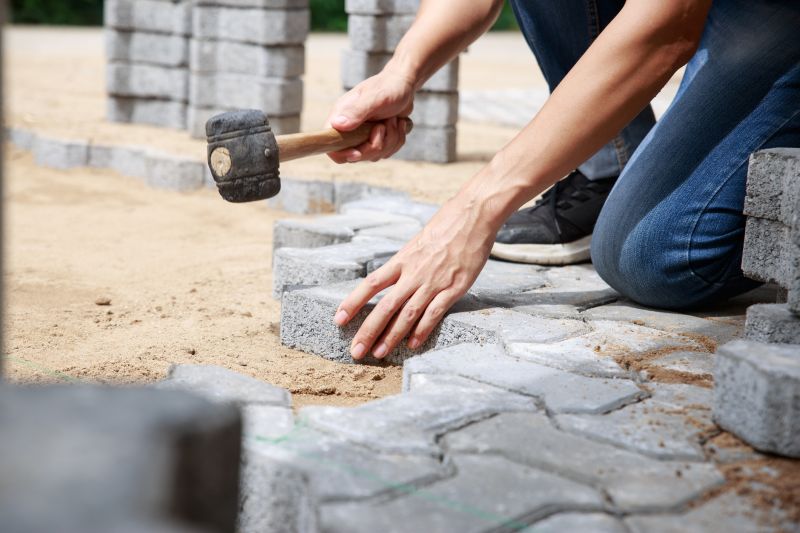
Spring offers moderate temperatures ideal for overlay installation.
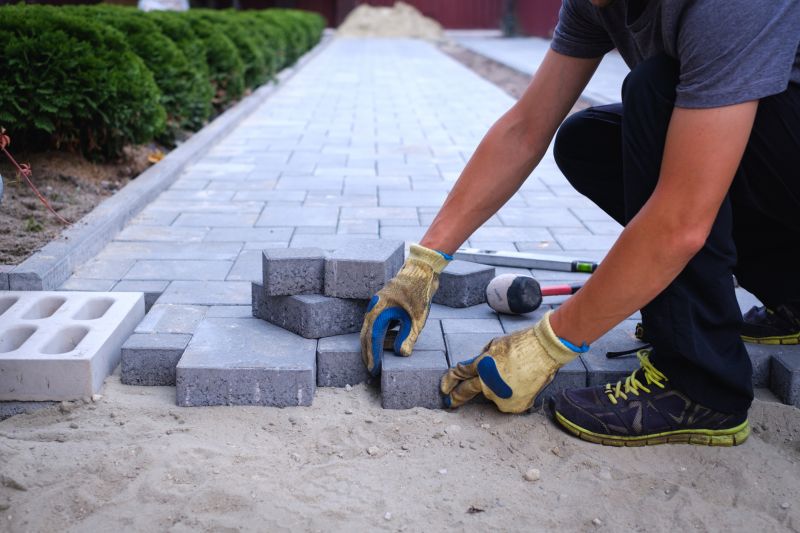
Summer provides warm weather with less chance of rain, suitable for overlay work.
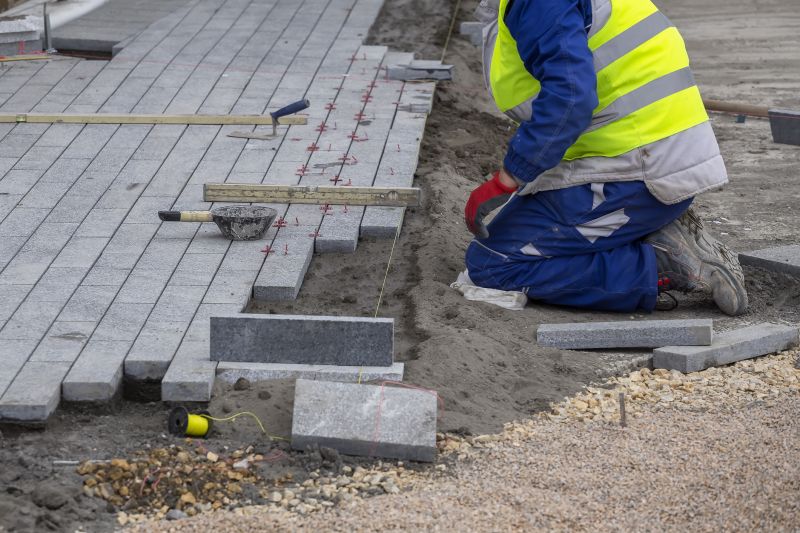
Fall's mild conditions help ensure proper curing before winter.
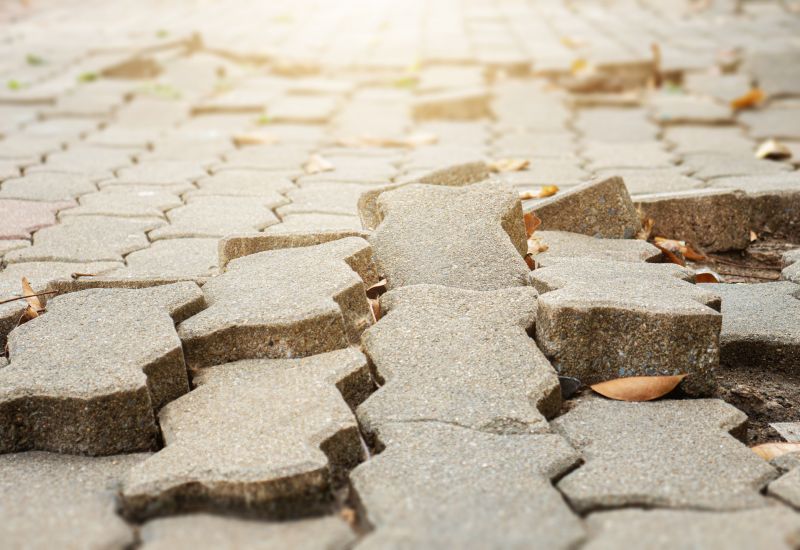
Ways to make Paver Overlay Service work in tight or awkward layouts.
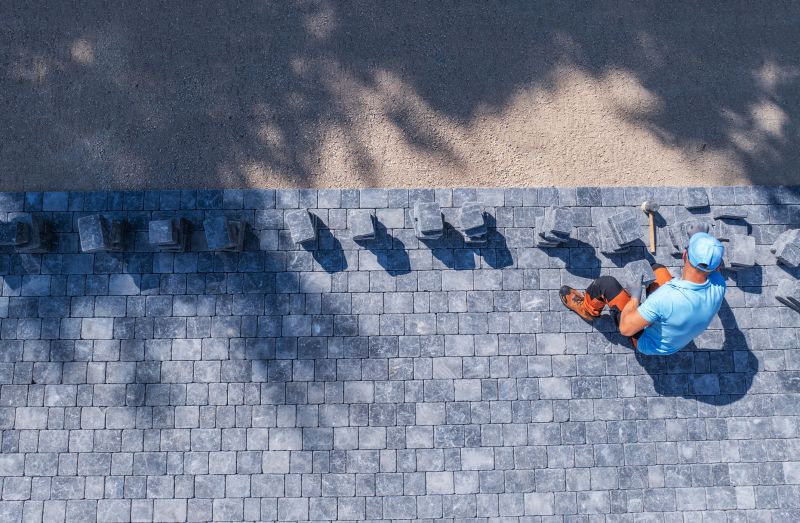
Popular materials for Paver Overlay Service and why they hold up over time.
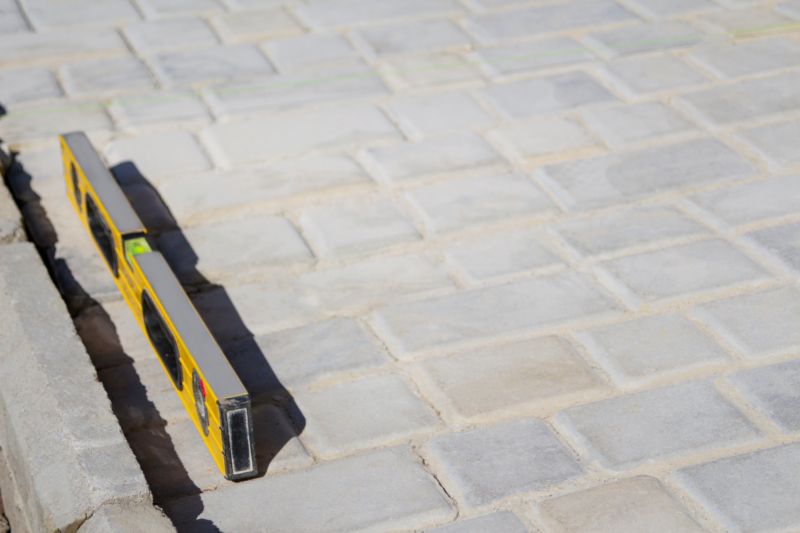
Simple add-ons that improve Paver Overlay Service without blowing the budget.
Paver overlay service involves applying a new surface layer over existing pavers to enhance appearance and durability. This process can restore worn or faded surfaces, providing a fresh look without complete removal and replacement. The overlay material typically consists of polymer-modified compounds that adhere well to existing pavers, creating a seamless, durable surface. Proper timing ensures the overlay bonds effectively, preventing issues like cracking or peeling.
Statistics indicate that correctly timed overlays can extend the lifespan of paved surfaces by several years, with proper maintenance. Overlays also improve surface resistance to weathering, staining, and wear. Scheduling during optimal seasons reduces the likelihood of delays and reapplications, saving costs and time in the long run.
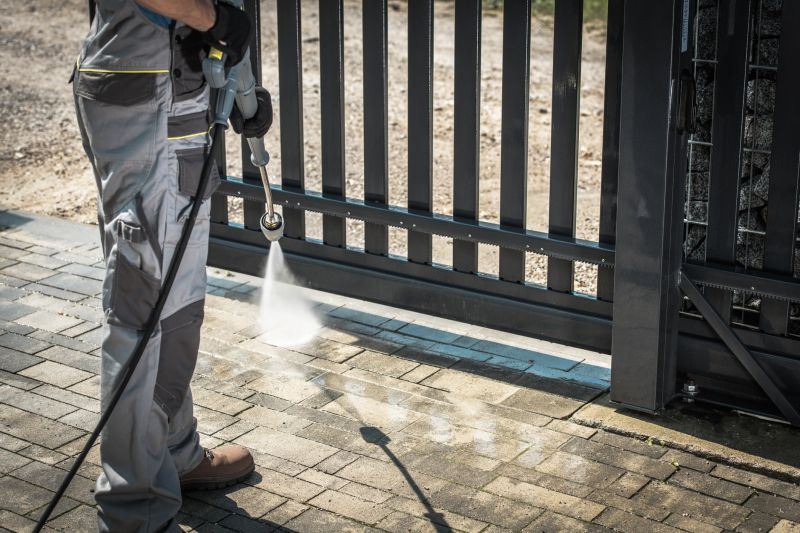
Surface cleaning and repair are essential before overlay application.
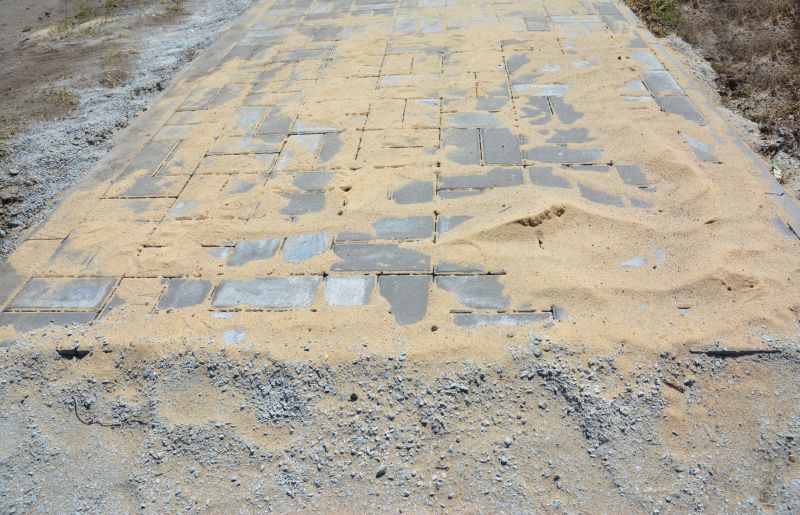
The overlay is carefully spread and smoothed for uniform coverage.
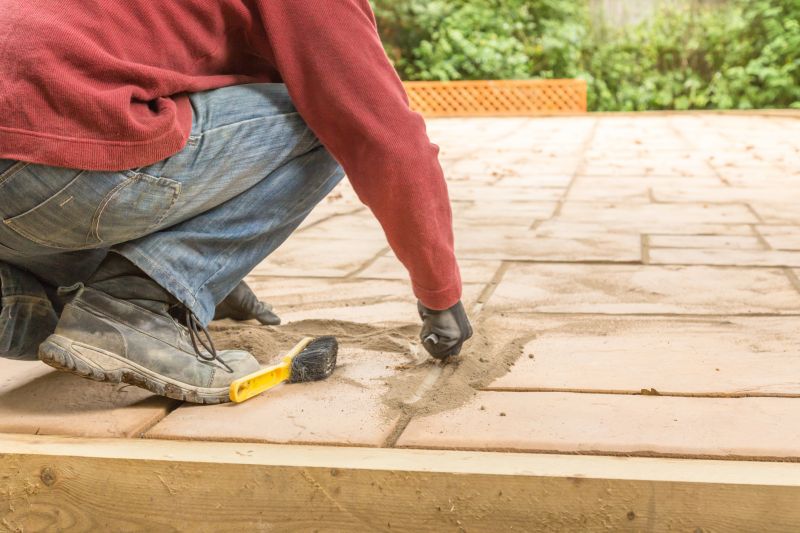
Proper curing during suitable weather ensures durability.
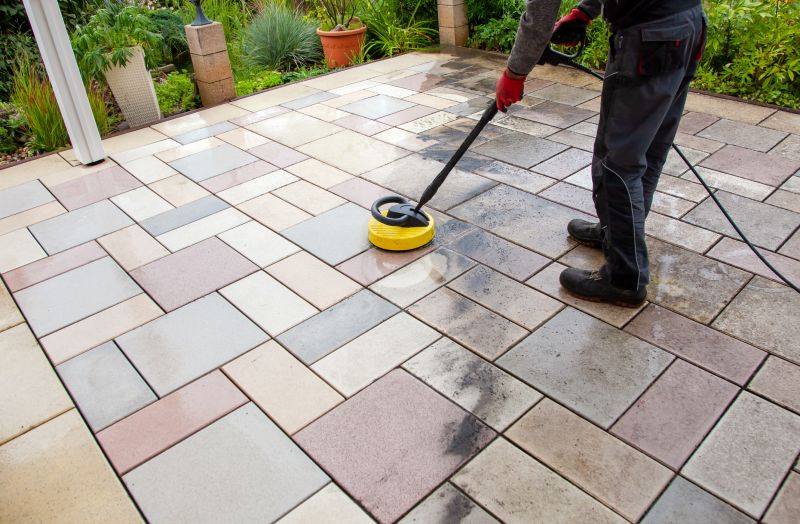
The completed surface offers a refreshed appearance and enhanced resilience.
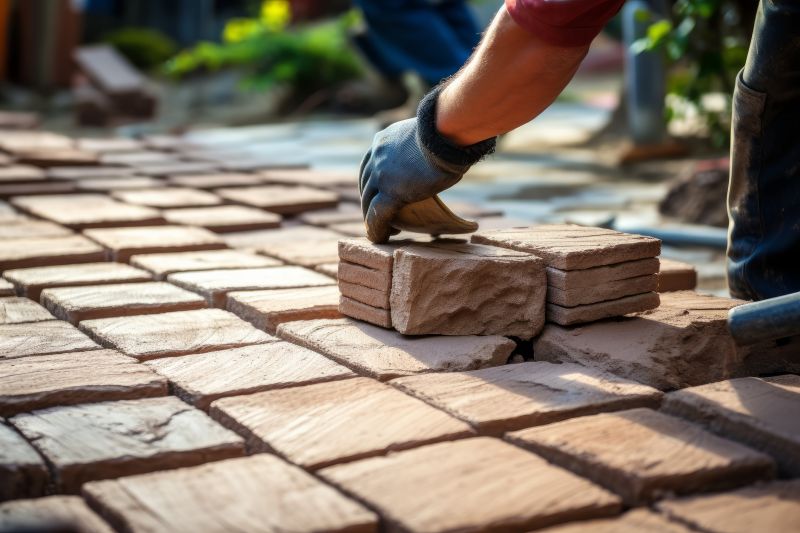
High-end options that actually feel worth it for Paver Overlay Service.
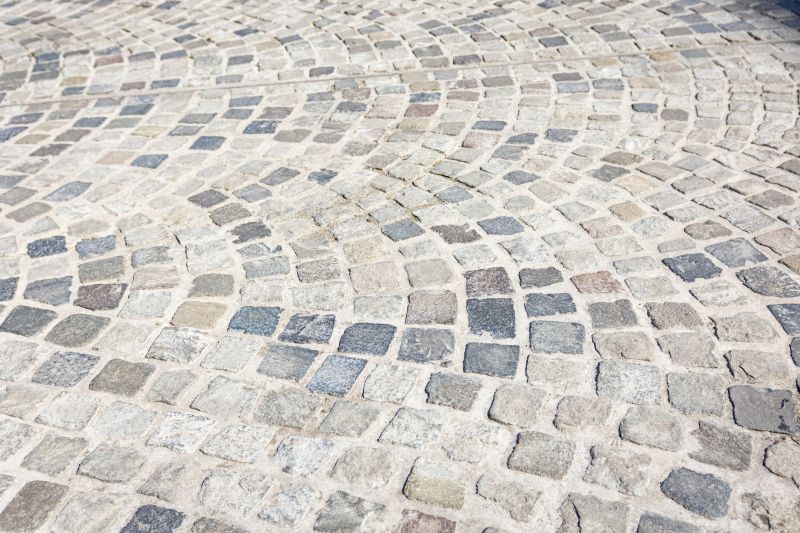
Finishes and colors that play nicely with Paver Overlay Service.
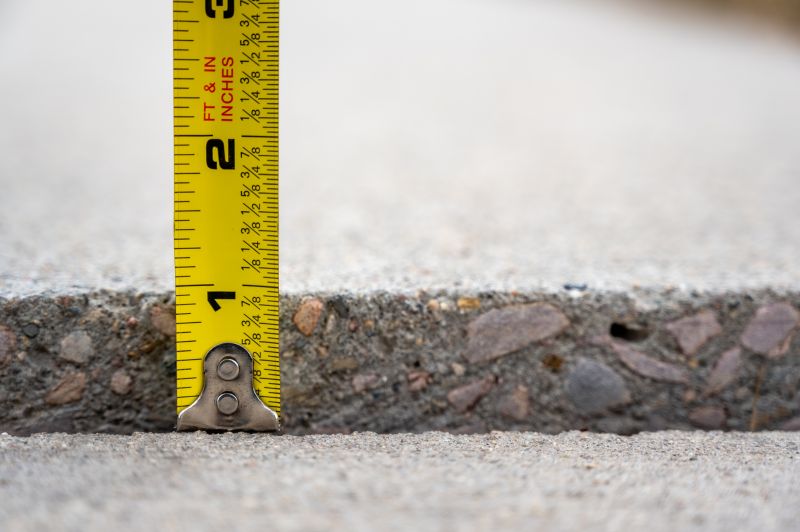
Little measurements that prevent headaches on Paver Overlay Service day.
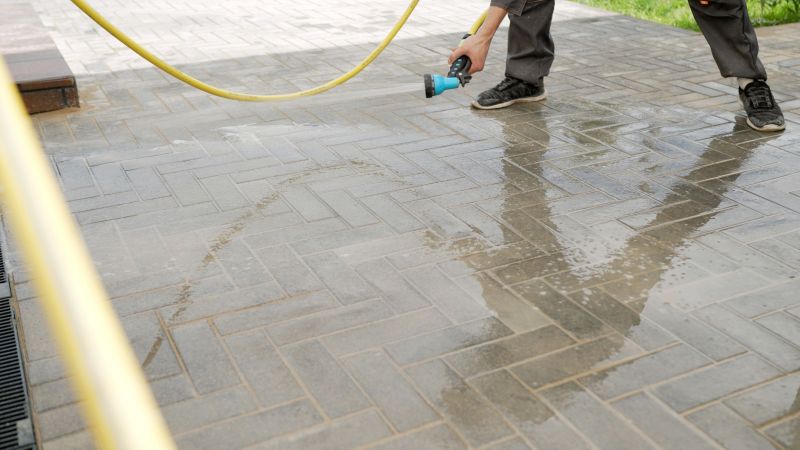
A 60-second routine that keeps Paver Overlay Service looking new.
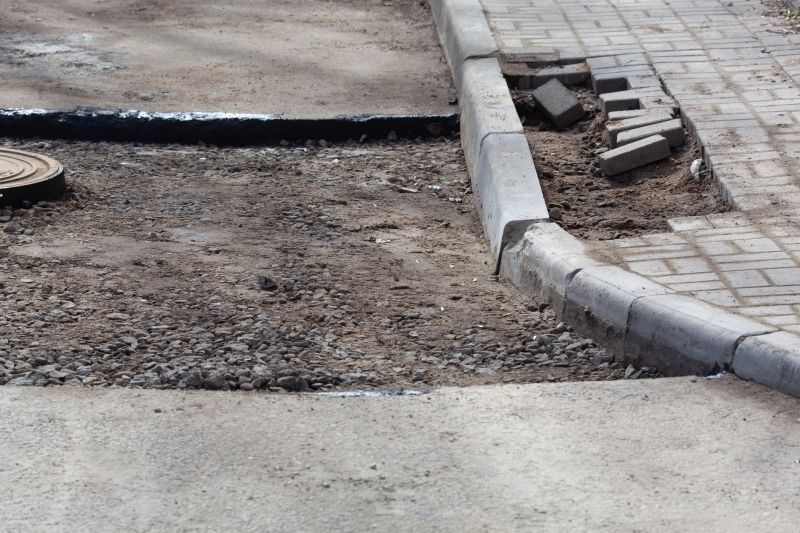
A frequent mistake in Paver Overlay Service and how to dodge it.
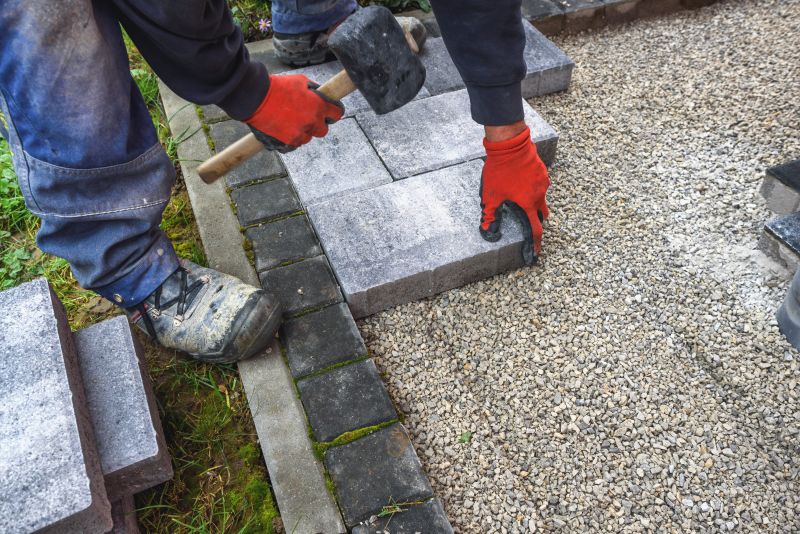
Small tweaks to make Paver Overlay Service safer and easier to use.
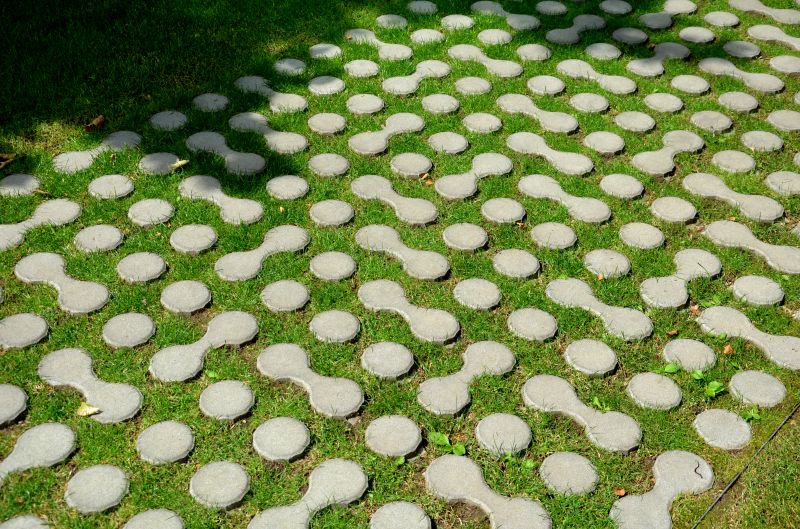
Lower-waste or water-saving choices for Paver Overlay Service.
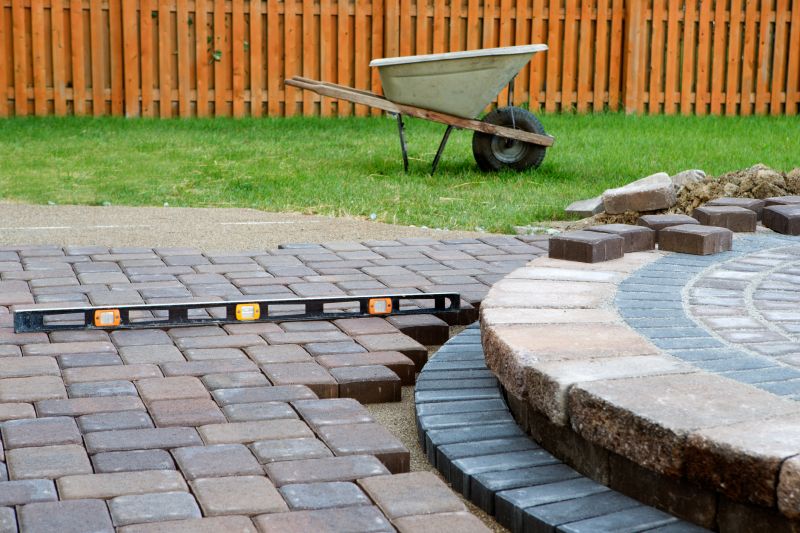
The short, realistic tool list for quality Paver Overlay Service.
| Season | Recommended Conditions |
|---|---|
| Spring | Mild temperatures, low rain, stable weather |
| Summer | Warm temperatures, minimal rain, dry conditions |
| Fall | Cooler temperatures, low humidity, dry weather |
| Winter | Not recommended due to cold temperatures and potential moisture |
Scheduling paver overlay services during the recommended seasons ensures optimal results. Proper timing minimizes the risk of weather-related issues and maximizes the longevity of the overlay. Property owners should consider local climate patterns when planning for installation to achieve the best possible outcome.
Interested parties are encouraged to contact for more information about scheduling paver overlay services during the optimal seasons to ensure the best results and a durable, attractive surface.