
Leading Equipment For Paver Overlay Service Applications
Discover industry-leading tools that make paver overlay installation faster, easier, and more precise.
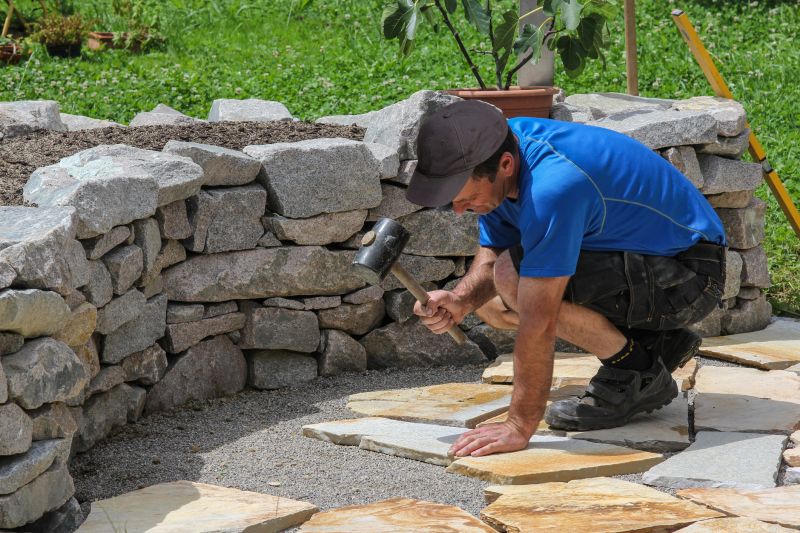 Paver overlay services are a popular choice for enhancing the appearance and durability of existing paved surfaces. These services involve applying specialized coatings, overlays, or sealants to existing pavers to restore their visual appeal and extend their lifespan. Such treatments can help conceal cracks, stains, or uneven surfaces, providing a refreshed look without the need for complete replacement. The process typically involves thorough cleaning, surface preparation, and the careful application of overlay materials that adhere well to the existing paver surface.
Top Overall Option
High-Performance Paver Overlay Sealant
This versatile sealant offers excellent adhesion and durability, suitable for a range of paver surfaces. Its formulation provides a protective layer that enhances color vibrancy and shields against stains, UV damage, and wear. Easy to apply with brush or sprayer, it is designed to deliver a long-lasting finish that maintains the aesthetic appeal of paved areas over time.
Types of Products For Paver Overlay Service
Acrylic Sealers
Acrylic sealers are popular for their ease of application and vibrant finish, often used to enhance color and provide a protective barrier.
Polyurethane Coatings
Known for their toughness, polyurethane coatings offer strong resistance to abrasion and chemicals, suitable for high-traffic areas.
Epoxy Overlays
Epoxy overlays create a durable, seamless surface that can be customized with various colors and textures.
Polymeric Sand
Polymeric sand is used to fill joints and prevent weed growth, often combined with overlay treatments for added stability.
Concrete Resurfacing Products
These products are designed to restore and renew existing concrete surfaces, providing a smooth, uniform appearance.
Penetrating Sealers
Penetrating sealers absorb into the surface to provide protection from within, often used for natural stone and porous pavers.
Resin-Based Coatings
Resin-based products offer flexible, high-gloss finishes with excellent adhesion qualities.
Polymer Modified Overlays
These overlays incorporate polymers to improve adhesion, flexibility, and resistance to cracking.
Colored Sealers
Colored sealers enhance the natural hues of pavers or add a decorative tint for aesthetic purposes.
Textured Coatings
Designed to add slip resistance and visual interest, textured coatings mimic natural stone or other finishes.
Moisture Cured Urethane
This product provides a durable, chemical-resistant coating suitable for outdoor paver surfaces.
Liquid Membranes
Liquid membranes create a waterproof barrier over paver surfaces, protecting against water damage and staining.
Overlay Mortars
Overlay mortars are used for repairing and leveling uneven surfaces before applying a finish coat.
Decorative Concrete Coatings
These coatings add decorative patterns, textures, or colors to enhance visual appeal.
Joint Stabilizers
Joint stabilizers help maintain the integrity of paved surfaces by preventing joint erosion and weed growth.
Popular Choices
Widely used for their ease of application and vibrant finish, acrylic sealers are a common choice for paver overlays.
Favored for their durability and resistance to wear, polyurethane coatings are suitable for high-traffic areas.
Epoxy overlays are popular for creating seamless, customizable surfaces with a high-gloss finish.
Offering aesthetic enhancement, colored sealers are frequently selected to add depth and vibrancy to paver surfaces.
These coatings are trending for their slip-resistant qualities and decorative appeal.
Increasingly preferred for their flexibility and resistance to cracking, these overlays adapt well to surface movements.
Resin-based products are popular for their high-gloss finish and excellent adhesion properties.
Choosing liquid membranes helps protect paver surfaces from water infiltration and staining.
Commonly used for restoring older surfaces, these products provide a fresh, uniform look.
Penetrating sealers are trending for their ability to preserve natural textures while protecting against stains.
Used for surface repairs and leveling, overlay mortars are essential in comprehensive overlay projects.
Decorative coatings are increasingly popular for creating unique visual effects and patterns.
Choosing the right products for a paver overlay project is essential to achieve a durable and attractive finish. Depending on the specific needs of the surface, different types of products may be used, including sealants, coatings, or polymer overlays. These products vary in their composition, application methods, and suitability for different environments. Proper selection ensures compatibility with existing pavers and can help prevent issues such as peeling, bubbling, or color fading over time.
Professional installation often involves multiple steps, including surface cleaning, repairs, and the precise application of overlay materials. While some products are designed for DIY use, others may require specialized equipment or expertise. It's important to follow manufacturer instructions carefully and consider factors such as UV resistance, slip resistance, and the desired aesthetic outcome. Regular maintenance with compatible sealants and cleaners can help prolong the benefits of the overlay and keep the surface looking its best.
Investing in quality products for paver overlay services can significantly improve the longevity and appearance of paved surfaces, making outdoor spaces more inviting and functional. Whether for residential driveways, walkways, patios, or commercial landscapes, selecting the right products tailored to specific needs can lead to satisfying results. Always consider compatibility, ease of application, and the specific conditions of your environment when planning your overlay project.
Key Buying Considerations
- Compatibility with existing paver materials and surface conditions.
- Durability and resistance to wear, UV rays, and stains.
- Ease of application, whether DIY or professional installation.
- Desired finish type, such as matte, gloss, or textured.
- Environmental conditions, including exposure to water or chemicals.
- Flexibility and ability to accommodate surface movements without cracking.
- Color options and ability to enhance or match existing aesthetics.
- Protection against slipping, especially in wet conditions.
- Maintenance requirements and longevity of the product.
- Application time and curing periods for optimal results.
- Cost considerations relative to project scope and product lifespan.
- Brand reputation and user reviews for reliability.
- Availability of technical support or instructions from manufacturers.
- Compatibility with surface repairs or joint stabilization products.
- Environmental impact and VOC levels, if relevant.